


For generations, LEGO bricks have been more than just a source of fun—they’ve been a powerful tool for learning and development. Parents and educators alike are increasingly turning to LEGO sets not just for entertainment, but for their proven ability to foster critical skills in children. From boosting STEM (Science, Technology, Engineering, and Mathematics) proficiency to nurturing creativity and problem-solving, the educational benefits of LEGO play are vast and well-documented.
1. The Science Behind LEGO Play: Why It’s More Than a Toy

LEGO play is rooted in the concept of constructivist learning, where children build knowledge through hands-on experiences. By manipulating bricks, following instructions, or inventing their own creations, kids actively engage in learning processes that mirror real-world problem-solving and innovation.
-
Fine Motor Skills: Snapping bricks together refines hand-eye coordination and dexterity.
-
Spatial Awareness: Building in three dimensions helps children visualize and manipulate objects in space.
-
Sequential Thinking: Following step-by-step instructions develops logical thinking and patience.
These foundational skills are essential in early childhood development and serve as building blocks for more complex cognitive abilities.
2. LEGO and STEM: Laying the Foundation for Future Innovators
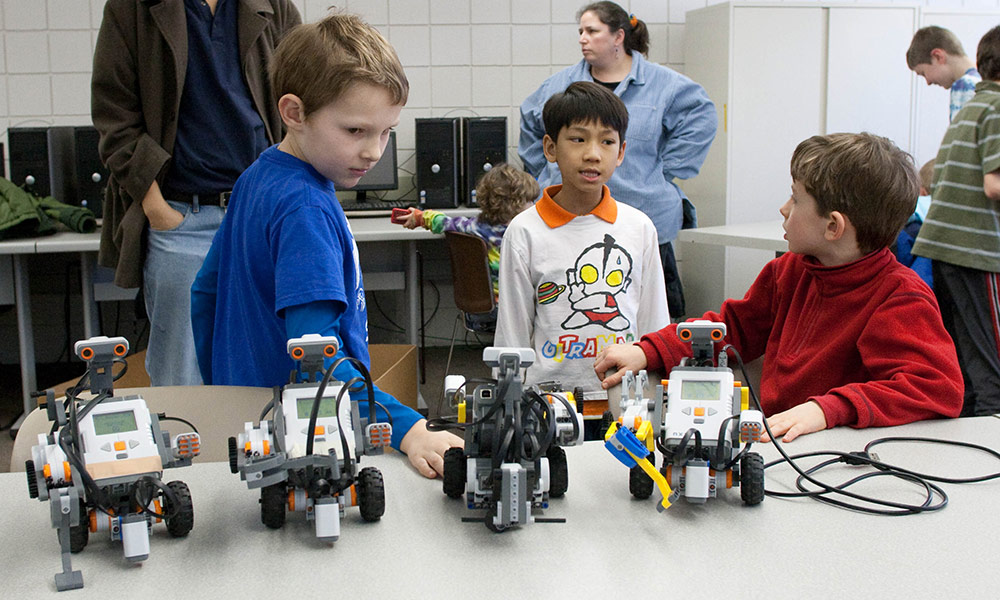
STEM education is a top priority for many parents and schools, and LEGO sets are a natural fit for introducing these concepts in an accessible, engaging way. Here’s how LEGO play supports STEM learning:
Science
Children experiment with balance, gravity, and stability as they build towers, bridges, and vehicles. Sets like the LEGO NASA Mars Rover Perseverance bring real scientific exploration to life, sparking curiosity about space and engineering.
Technology & Engineering
LEGO’s Technic and robotics kits, such as the LEGO Technic Backhoe Loader or LEGO Technic Kawasaki Ninja H2R Motorcycle, introduce children to gears, levers, and mechanical systems. Kids learn how different components work together, laying the groundwork for understanding machines and technology.
Mathematics
Counting pieces, identifying patterns, and estimating quantities are all part of the LEGO experience. Children naturally practice addition, subtraction, and even basic geometry as they build and rebuild.
For a wide selection of STEM-supportive sets, visit our LEGO Toys and Sets collection.
3. Creativity Unleashed: Imagination Without Limits
LEGO play is synonymous with creativity. While many sets come with instructions, the real magic happens when children are encouraged to design their own creations. This open-ended play:
-
Promotes divergent thinking, where there’s no single right answer
-
Encourages storytelling and role-play, especially with themed sets like LEGO Disney Stitch or LEGO Marvel Fantastic 4 vs Galactus
-
Fosters self-expression and confidence as children see their ideas come to life
LEGO’s diverse themes—from fantasy and superheroes to real-world architecture—ensure that every child can find a set that inspires their imagination. Browse our Building Toys Collection for even more creative options.
4. Problem-Solving and Critical Thinking: Learning Through Challenges
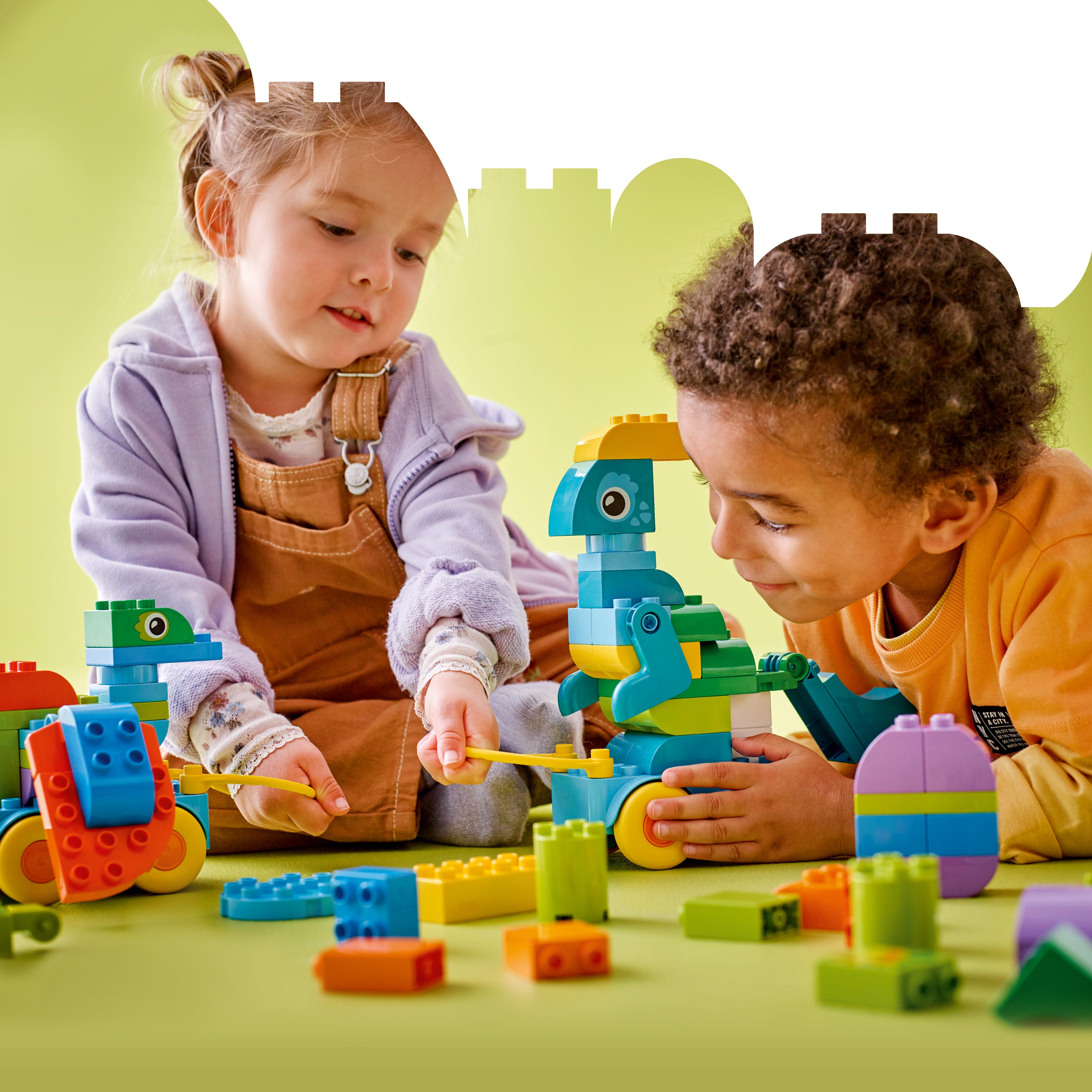
Every LEGO build presents a series of challenges: How do you make a structure stable? What happens if you run out of a certain piece? How can you modify a design to make it better? Through these challenges, children develop:
-
Resilience: Learning to cope with mistakes and try new solutions
-
Analytical Skills: Breaking down complex problems into manageable steps
-
Collaboration: Working with siblings, friends, or classmates to achieve a common goal
Sets like the LEGO Ninjago Zane's Dragon Power Spinjitzu Race Car or LEGO Harry Potter Talking Sorting Hat often require teamwork and communication, further enhancing social and emotional learning.
5. Real-World Applications: LEGO in the Classroom and at Home
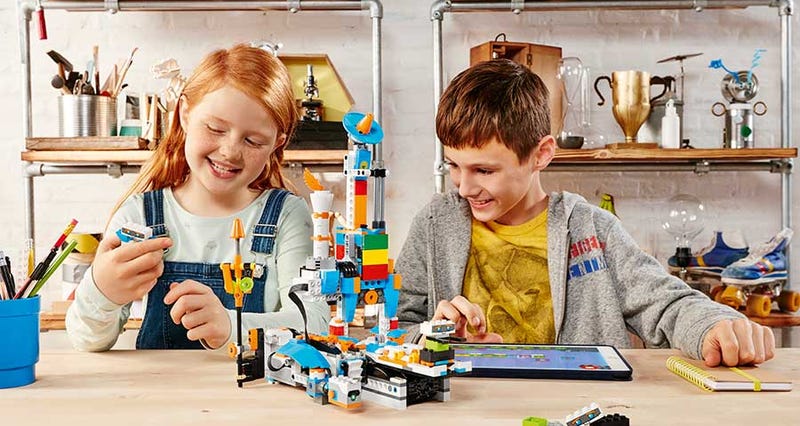
Educators worldwide have incorporated LEGO into their lesson plans to make abstract concepts tangible. Some examples include:
-
Math Lessons: Using bricks to teach fractions, multiplication, and symmetry
-
Science Projects: Building models of the solar system, simple machines, or plant cells
-
Language Arts: Encouraging students to write stories based on their LEGO creations
At home, parents can use LEGO sets to supplement learning, reinforce classroom lessons, or simply enjoy quality family time. Sets like the LEGO Creator Flowers in Watering Can or LEGO Botanical Plum Blossom can even double as beautiful room decor, blending play with everyday life.
6. Social and Emotional Growth: More Than Bricks and Mortar
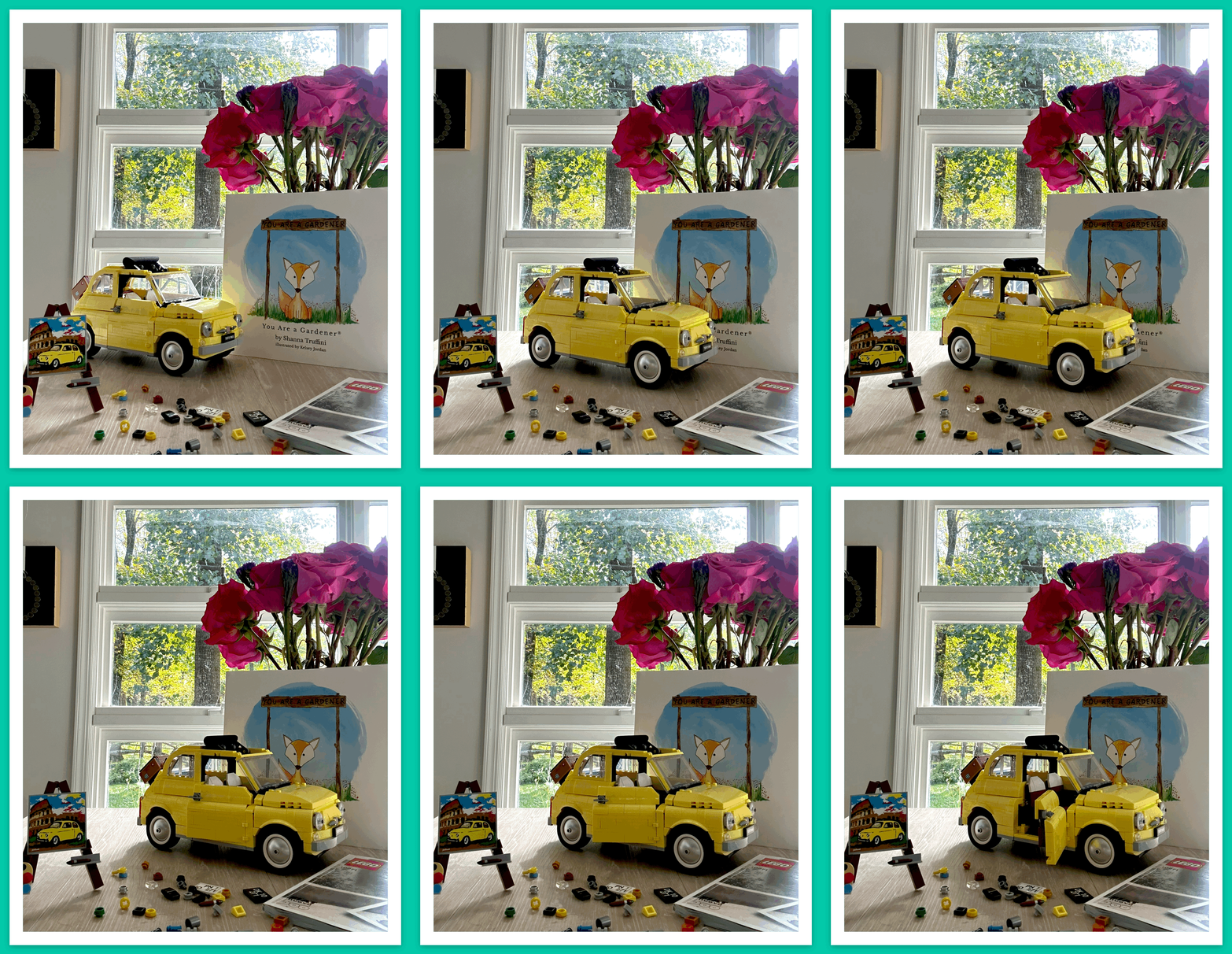
LEGO play isn’t just about cognitive skills—it’s also a powerful tool for social and emotional development. When children build together, they practice:
-
Sharing and turn-taking
-
Negotiation and compromise
-
Empathy and understanding different perspectives
Collaborative builds, such as working on a LEGO City Freight Train or a sprawling LEGO Marvel Guardians of the Galaxy The Milano set, encourage teamwork and communication, skills that are invaluable in school and beyond.
7. LEGO for All Ages: Lifelong Learning Through Play
One of LEGO’s greatest strengths is its universal appeal. From DUPLO sets for toddlers to intricate models like the LEGO Architecture Taj Mahal for teens and adults, there’s a set for every stage of development. LEGO play evolves with your child, continually offering new challenges and opportunities for growth.
For older children and teens, advanced sets such as the LEGO Creator 3 in 1 Typewriter with Flowers or the LEGO World Map provide complex builds that require patience, planning, and perseverance—skills that translate directly to academic and career success.
8. Tips for Maximizing the Educational Value of LEGO Play
-
Encourage Open-Ended Play: Let children experiment and create without always following instructions.
-
Integrate Learning Themes: Use LEGO to reinforce topics from school, such as building a model of a historical landmark or a science experiment.
-
Promote Group Projects: Organize family build nights or group challenges to foster collaboration.
-
Ask Open-Ended Questions: Prompt deeper thinking with questions like, “How could you make this stronger?” or “What happens if you change this piece?”
9. Choosing the Right LEGO Sets for Learning
With hundreds of sets available, selecting the right one can feel overwhelming. Consider your child’s age, interests, and developmental goals. For STEM learning, explore Technic and vehicle sets. For creativity, look for themed sets or classic brick boxes. For social play, opt for larger sets that can be built together.
Explore our full range of LEGO Toys and Sets or our broader Building Toys Collection to find the perfect fit for your family or classroom.
Conclusion: Building a Brighter Future, One Brick at a Time
LEGO play is so much more than child’s play. It’s a gateway to lifelong learning, equipping children with the skills they need to thrive in a rapidly changing world. Whether you’re a parent seeking educational toys for home, or an educator looking to inspire your students, LEGO offers endless possibilities for growth, discovery, and fun.
Ready to unlock your child’s potential? Shop our LEGO collection today and start building skills for life—one brick at a time.
